
Home / About us / Statistics

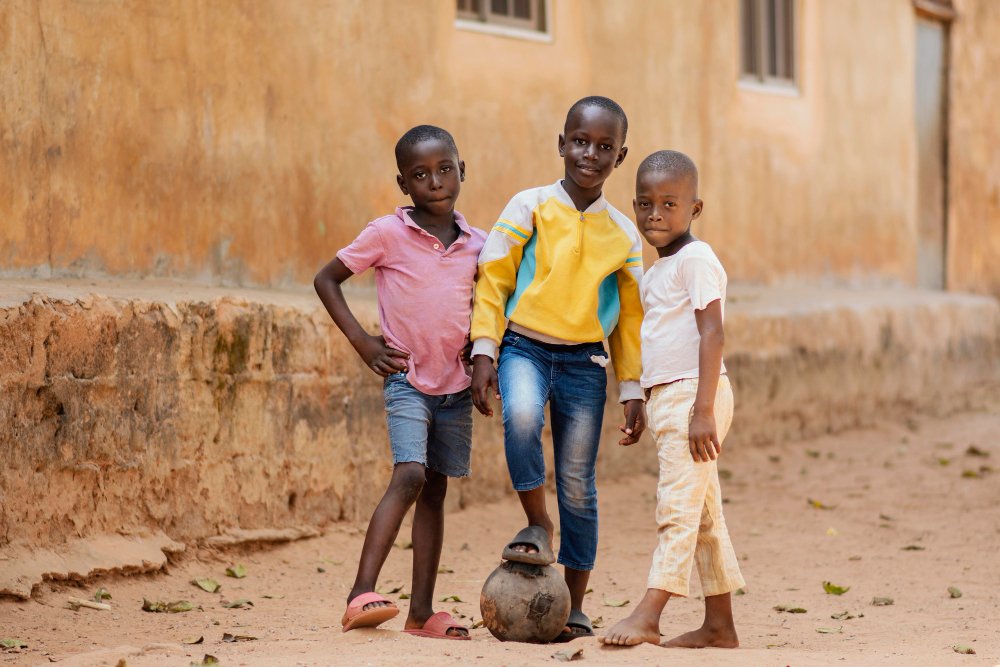
In East Africa, illiteracy remains a major challenge, especially in rural areas and among women. The region’s average literacy rate varies widely across countries, but estimates from UNESCO and other sources suggest that up to 60–70% of the adult population in some areas may be illiterate. Efforts to improve literacy have intensified, including education in local languages and special programmes for women who are most vulnerable due to socio-economic factors. Challenges such as poverty, lack of resources and cultural barriers contribute to the problem. At the same time, the security situation and climate change play a role, making it difficult for children to receive continuous schooling in several countries such as Somalia, Kenya and Ethiopia. International organisations such as UNICEF and local initiatives are working to promote literacy through basic education programmes
Djibouti
In Djibouti, adult illiteracy stands at around 49%, highlighting a serious barrier to development. While progress has been seen in the region, significant challenges remain—particularly in rural areas
Ethiopia
Adult illiteracy is around 49%. Ethiopia has made significant efforts to reduce illiteracy, but challenges remain, especially in rural areas
Kenya
Approximately 22% of the adult population is illiterate. Kenya has a more developed education system than many of its neighbors, but regional differences are evident
Somalia
An estimated 62% of the adult population is illiterate. The country has one of the highest illiteracy rates in the region due to decades of conflict and a lack of educational resources
South Sudan
In South Sudan, adult illiteracy is among the highest in the world, with millions lacking access to basic education.
The challenges in the region include socio-economic factors, cultural norms and lack of infrastructure, but there is also significant progress in the form of educational programs and international support.